The types of stories I love to write are often difficult to find homes for because of their uniqueness. I’ve decided to start publishing them here. I’m starting with my “woo woo” series, which has been an exploration of my belief system as an adult. I did end up writing about this specific experience for Roadtrippers, but this is an earlier version that was unpublished by another outlet, paired with some of my photos. Stay tuned for even more Caroline Eubanks originals!
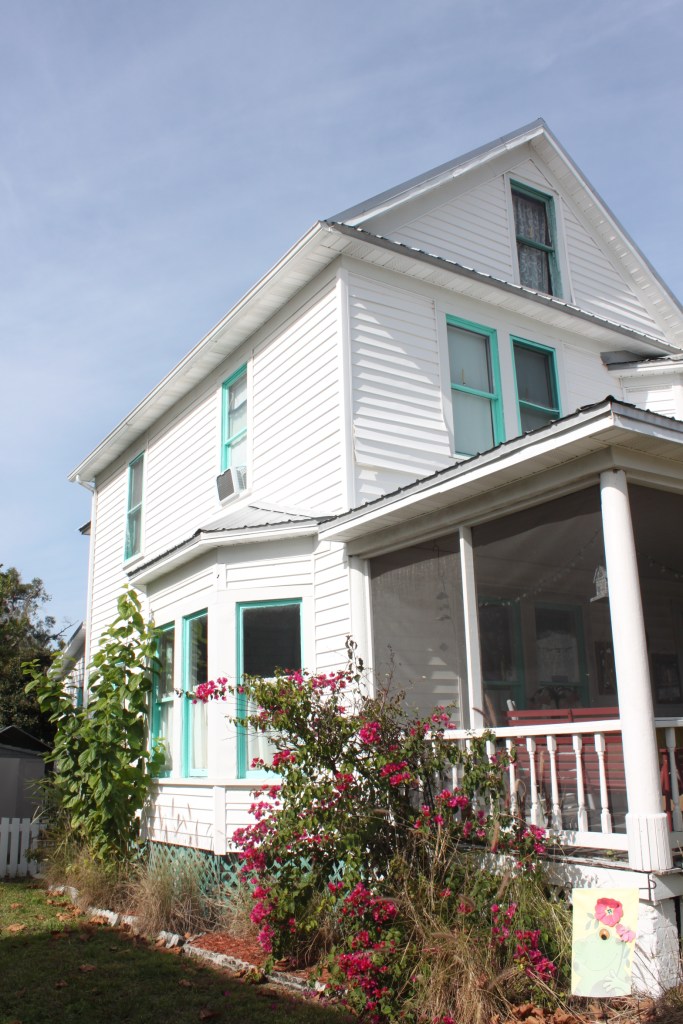
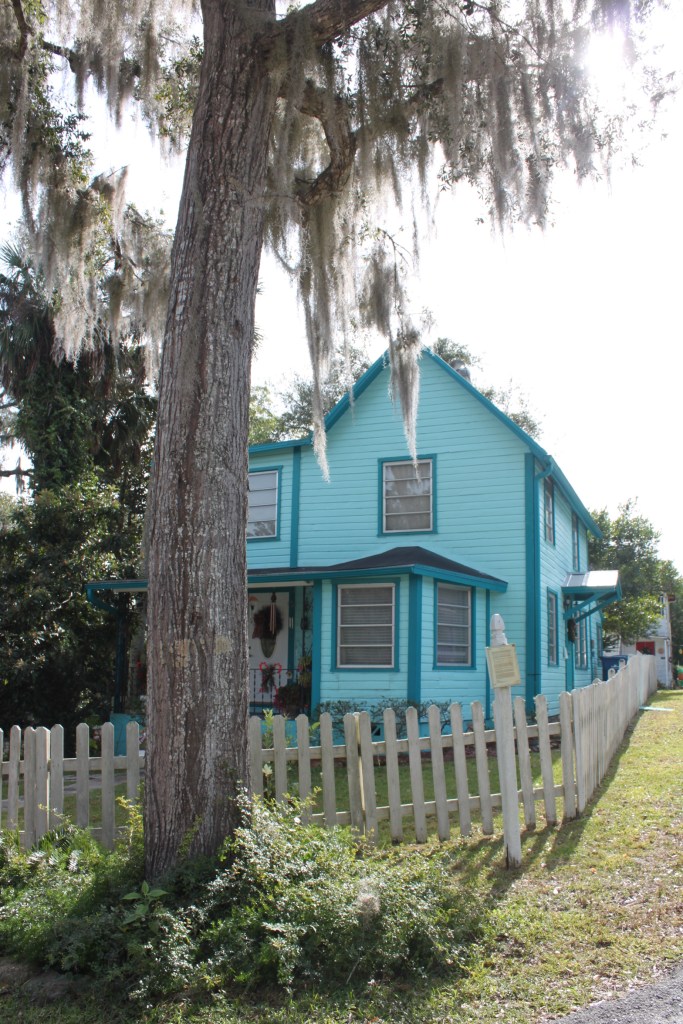
Rows of worn Victorian houses surrounded by Spanish moss-draped trees don’t seem out of place in many small Southern towns. But in Cassadaga, signs out front list the name of the person that lives or works there, usually followed by the word “medium.” Some even have the title of “reverend” before their name since mediums can be of any faith.
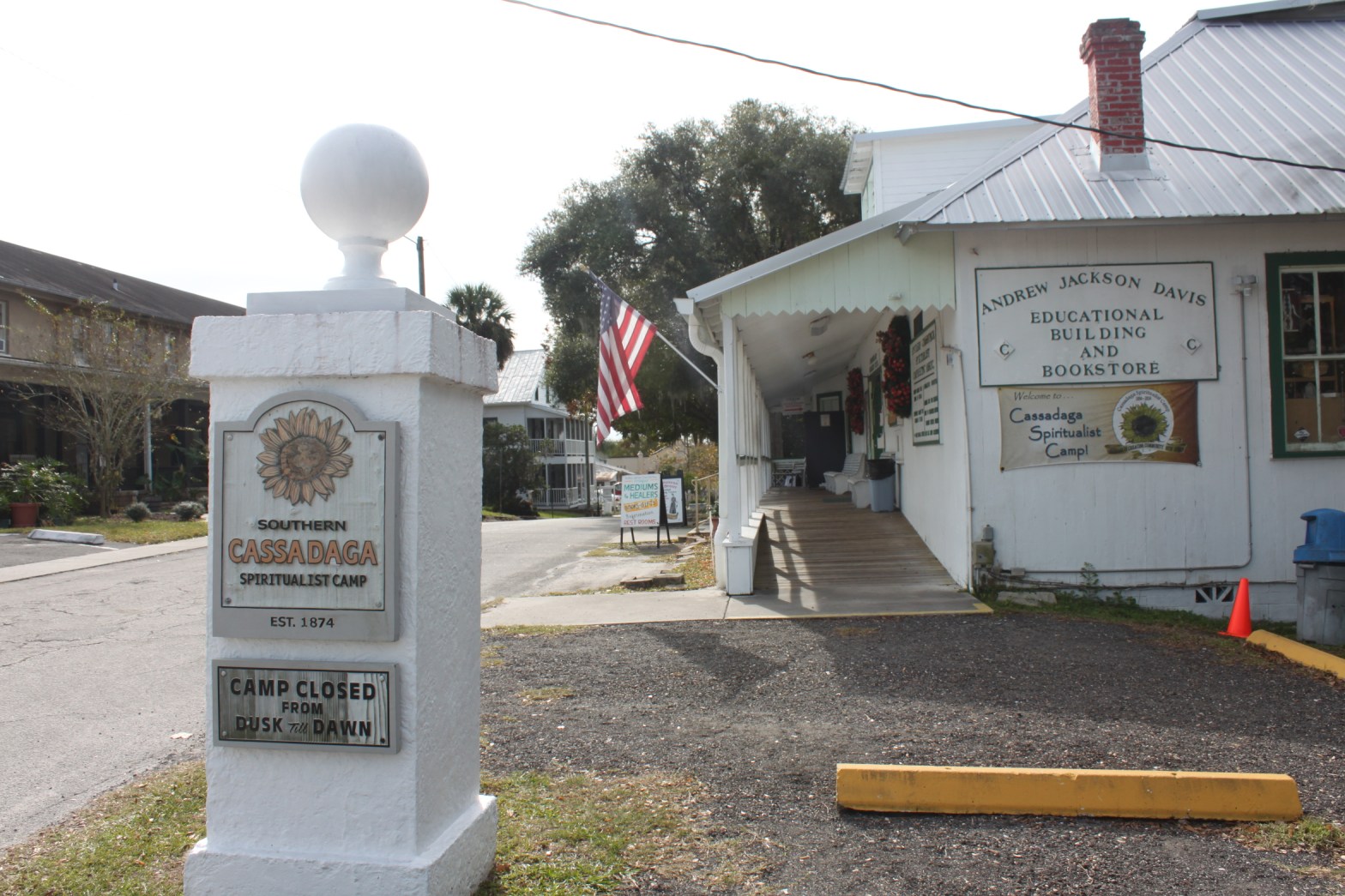
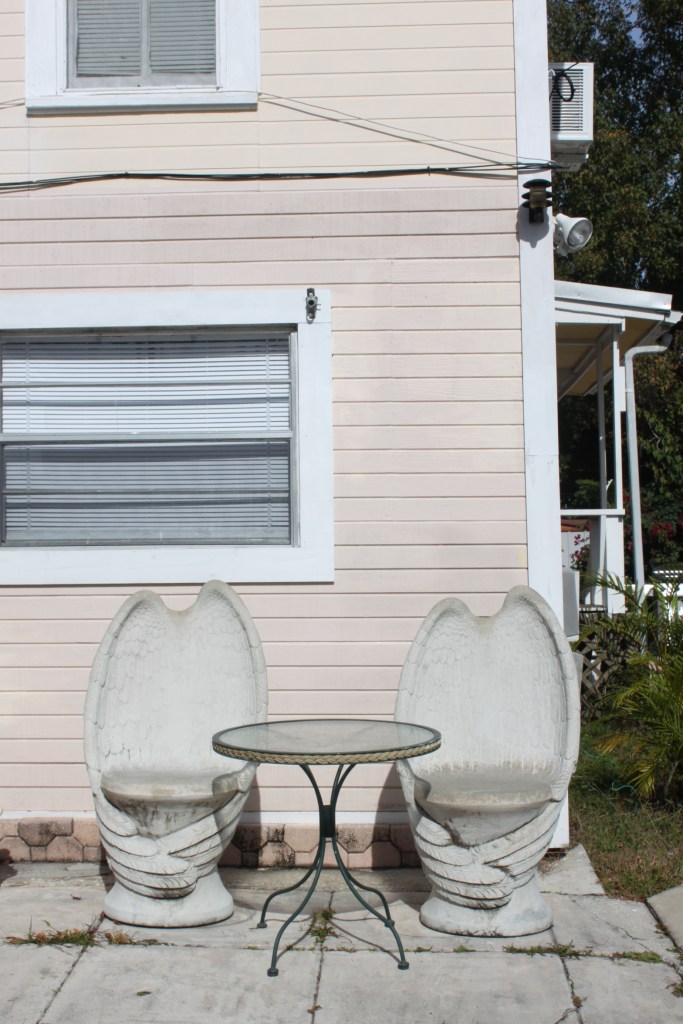
Inside, the rooms take on the personality of their owners, with some resembling a sterile doctor’s office while others are cozy living rooms covered in tchotchkes. Feral cats roam at their leisure, and porches are decorated with chimes, fairy statues, and other knick-knacks. There are no traffic lights or mainstream stores, making it a sort of time capsule for Old Florida, and no advertisements, keeping it from being recognized as a traditional “tourist attraction.” There are no pagan altars or occult symbols, but rather cheerful sunflower iconography, the symbol of the Spiritualist faith.
The indescribable energy isn’t like the “hippie dippie” vortexes of Sedona or the overall spookiness of Salem, removed from concepts like witchcraft and voodoo. In fact, what’s so odd is how normal a place it is, like “where Mayberry meets the Twilight Zone,” at least according to the t-shirts sold in the gift shop. Yes, even mediums are capitalists.

Spiritualism and Its People
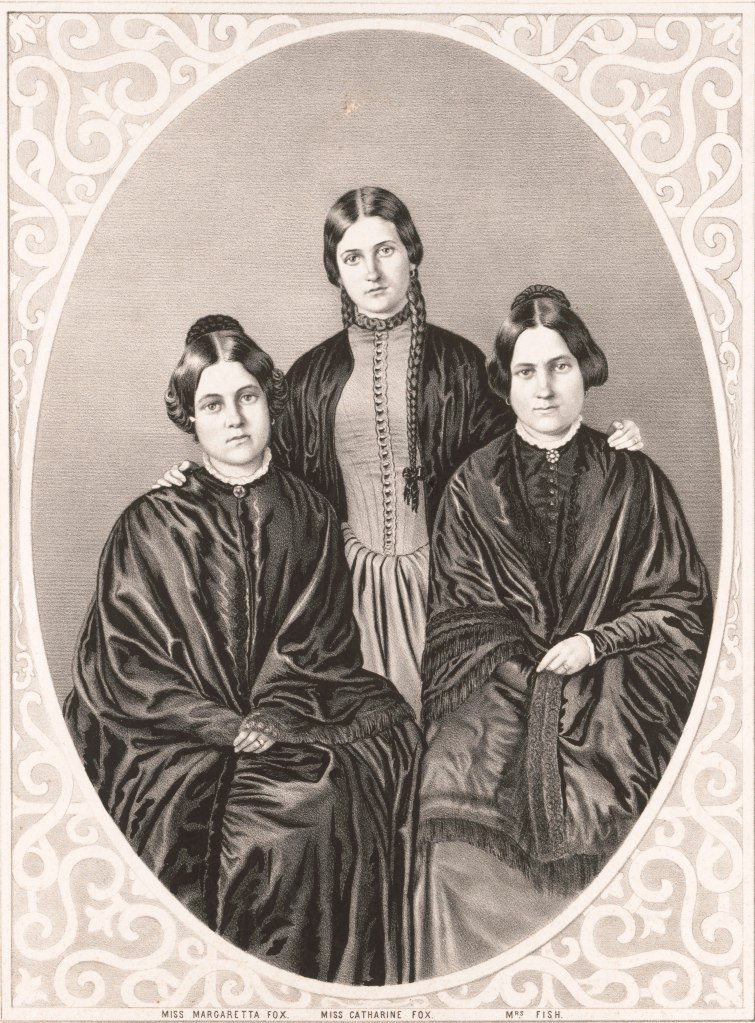
So who are these people who spend their days communicating with the dead? The Spiritualist faith is hundreds of years old and resembles much of Christianity, complete with churches, hymnals, and revival-style meetings. It started in 1848, when the Fox sisters, two young girls from upstate New York, were said to communicate with a spirit that disturbed their home. Word spread of their “abilities,” leading to public demonstrations and seances, despite some controversies about the authenticity of their claims.
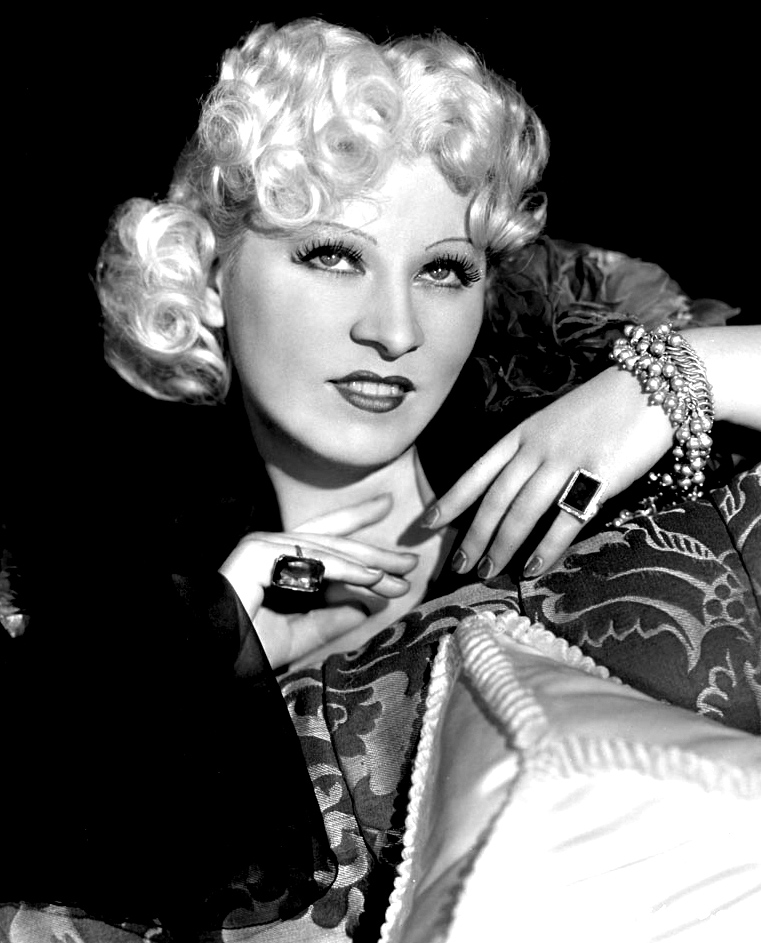
Spiritualists seek to make contact with the dead, either as mediums themselves or with the assistance of one. They also believe in “infinite intelligence” and the Golden Rule of treating others as you wish to be treated. The Roman Catholic church came out with decrees in 1898 and 1917 that banned “spiritualist activities” or any sort of attempted contact with the dead. Yet the ideology spread in the years after the American Civil War, when so many people lost loved ones, especially because of the belief that we survive as spirits after our deaths. Sir Arthur Conan Doyle and Mae West were among the notable Spiritualists.
Before the spiritualist churches, there were spiritualist campgrounds for seasonal outdoor meetings that were inspired by Methodist camp meeting grounds. Starting in New York near the Fox Sisters with the Cassadaga Lake Free Association in Lily Dale in 1879, the campgrounds led to the creation of houses, hotels, and auditoriums, and can still be found throughout the country today.
In the spiritualist faith, there was no hierarchy like in traditional churches, but instead egalitarianism. Women had active leadership roles, even during the Victorian era, and African Americans were involved in the community. These spiritualists were activists in women’s suffrage, Prohibition, and the abolition of slavery. The Cassadagans even stood up against the Ku Klux Klan in Florida. You could say these Floridians were the original progressives in a state where the map changes from red to blue and back again with every passing election.
The Spiritualist Capital of the South
The Spiritualist community of Cassadaga, Florida, was settled in 1894, taking its name from the lake in Lily Dale. George Colby scouted this spot years earlier with his Native American guide, Seneca, who had seen visions of this place, by steamboat on the neighboring St. John’s River. It was established as the Southern home of the Spiritualists, like early “snow birds,” a term used for residents from the North who come to Florida during the winter months.
Colby donated the acreage that became the camp, eventually totalling 57 acres. Seven parks and meditation gardens were set up as places for quiet reflection. A former orange grove became the site of the “spirit greeting” services, where mediums passed on messages to attendees. By 1910, a permanent auditorium and other buildings were constructed, many of which are still in the camp.
After mediums who showcased their “gifts” through vapors and moving tables were debunked, the community moved towards mental mediums, including telepaths and clairvoyants, who became the standard in Cassadaga, which continues today. Spiritualism eventually saw a decline, but the unincorporated community welcomed visitors starting with the age of the automobile. It also brought in new residents in the 1970s with the New Age movement and was listed on the National Register of Historic Places in 1991.

Cassadaga Today
These days, there are two Cassadagas, divided by Cassadaga Road: the spiritualist camp and everyone else. The Cassadaga Spiritualist Camp is a 501 (c) (3) religious organization of around 170 members, governed by a body similar to a board of directors. On this side, you’ll see the Victorian homes with the member mediums, the Spiritualist auditorium, and the grounds where 70 of the members live full-time. These mediums resemble the sweet ladies your grandmother goes to church with, and you wouldn’t guess that they “see dead people.”
The camp is made up of 43 certified mediums that undergo four to six years of education. However, anyone can become a medium through training. All church services, classes, and activities are open to the public, as well as historical tours of the grounds every Thursday, Friday, and Saturday.
Upon arriving at the camp, visitors start at the Andrew Jackson Davis Educational Building and Bookstore, where they can learn about upcoming tours, browse for crystals and other metaphysical items, and book readings. A whiteboard lists the names of the “on call” mediums next to a landline phone where you can make appointments. There’s a binder filled with profiles of these people, describing their backgrounds and specialties like a low-tech mystical version of searching for a doctor on the Healthcare Marketplace.

Even if you don’t get an appointment with a medium, the grounds of the camp can be explored with the self-guided maps at the visitor’s center. The landmarks describe the historic buildings and their purposes, as well as the parks and gardens. The Niche tree is named for a child who died at a young age and stacked pennies around the Richard Russell house to keep herself entertained. Residents who lived in the home after she died continued to find pennies around the house. The tree out front continued to grow after homeowners tried to cut it down, finally being destroyed by Hurricane Matthew. The current owner commissioned a wood sculptor to carve the image of an angel handing Niche pennies into the remaining stump.
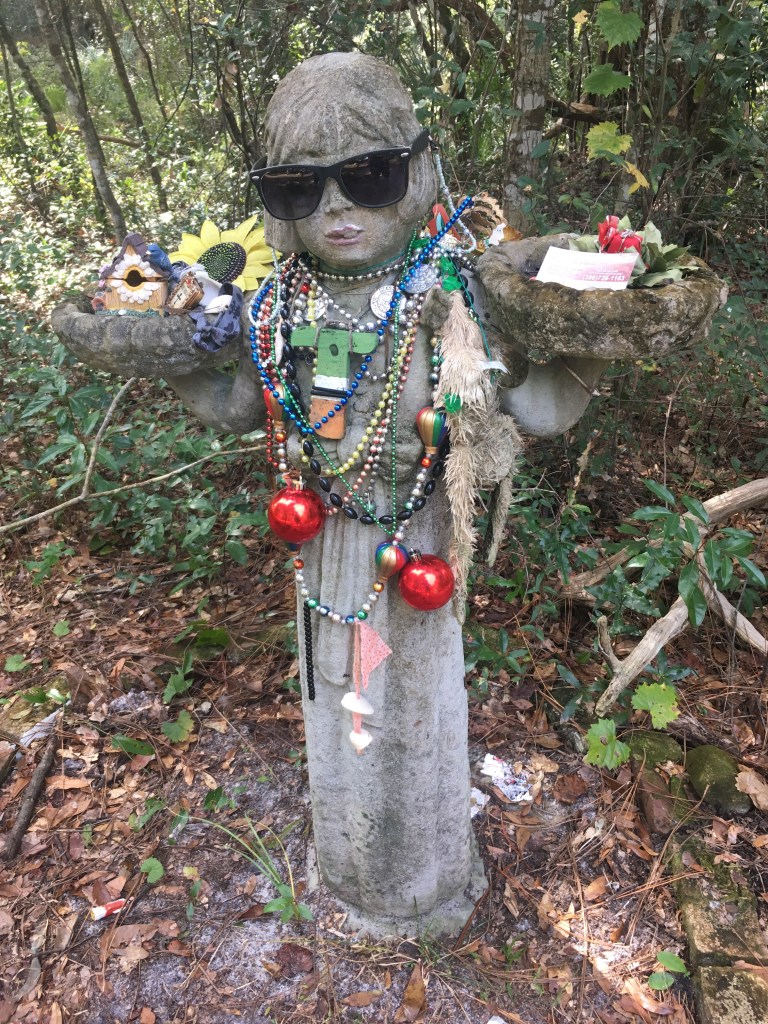
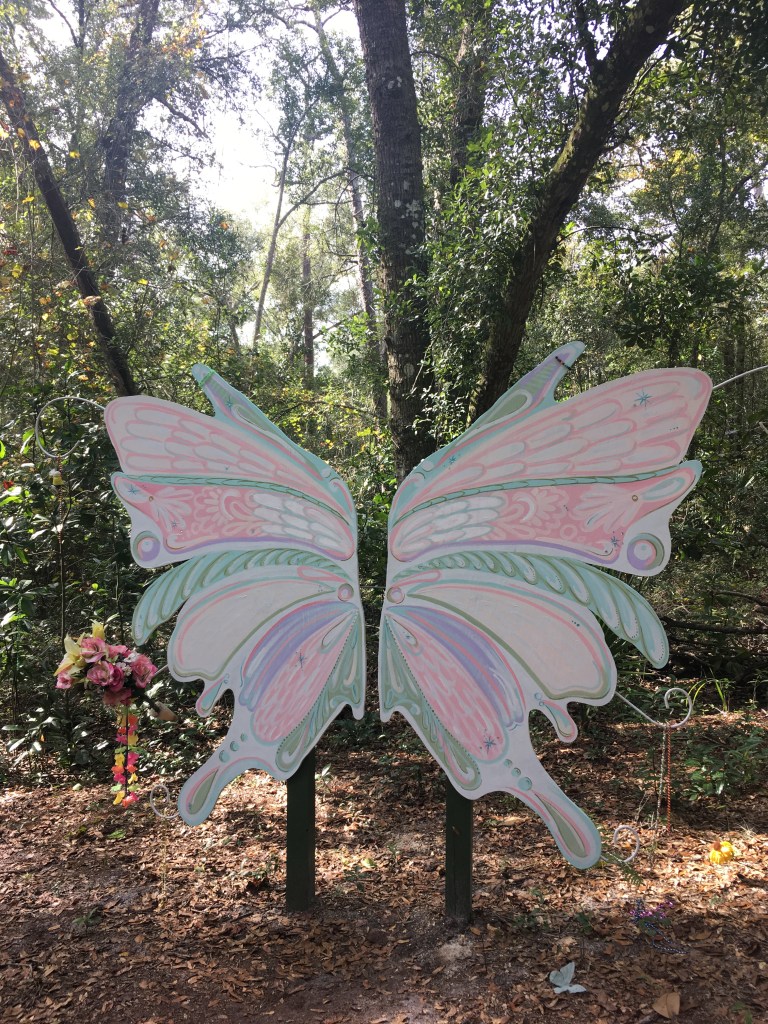
The camp also has vortexes, or places with energy, like those found in Sedona. One such place is the Fairy Trail, a wooded area where locals have spotted fairies, gnomes, and other mythical creatures. Makeshift altars and small wooden houses are created for these spirits, complete with items left for them like a can of Beenee Weenee, Mardi Gras beads, and Tibetan prayer flags. You might find a photographer here, setting up his tripod to capture orbs or other sightings. This trail now has a set of the Deland Wings, a long-term art installation by local muralist Erica Group.
On the other side of Cassadaga Road, the word “psychic” is also seen on signs, along with “tarot reading” and “crystals.” These are the New Age mediums that set up shop in the 1970s, enterprising individuals selling things like aura photos, Native American items, sage, and services like pet readings, reiki and hypnosis.
In the center is the Cassadaga Hotel, which dates back to the 1920s, straddling the line between the traditional spiritualist mediums and the New Age ones. It was built to hold all of the visitors, but was sold to independent owners outside of the community during the Great Depression. It still operates as a hotel and is said to be haunted. They have their own in-house mediums and host seances, operating similarly to the experiences within the camp with group readings.
The Medium Experience
Cassadaga is nicknamed the “psychic capital of the world,” but the term psychic is often misused in this context. Mediums communicate with the dead, while psychics examine your life and future. Some mediums can also be psychics, but psychics aren’t necessarily mediums. The mediums outside of the camp don’t receive this level of training because there’s no board overseeing them, but that doesn’t mean they’re not worth seeing. The mediums of Cassadaga can be booked in advance or on the day of, but cash is recommended for payment, which starts around $50 USD for an individual session.
One such medium is Mary Hayes, an in-house medium at the Cassadaga Hotel with a second office in Winter Park, who was self-taught after seeking answers following the death of her mother at a young age. After working as a medium quietly for years, a chance encounter led her to the “big leagues” at Cassadaga.

“People come in from all over just to experience these people who have dedicated their lives to this line of work,” says Hayes.
She also performs seances, which involve a group of people attempting to contact a spirit in a way that may produce physical mediumship, whether that be the manipulation or movement of items or apparitions.
Tracy Vega, of nearby Daytona Beach, has been going to Cassadaga for many years, seeking it out to learn about a new relationship she was in. She found a recommended medium at the Cassadaga Hotel and suggests that visitors “go with an open mind and no expectations,” a sentiment Hayes also expressed.
But not all mediums are created equal: “The medium we use gives names and pronounces them the way we would, with nicknames. If something doesn’t make sense [to us], she will move on. If it does, she will elaborate [on what the spirit is telling her],” says Vega.
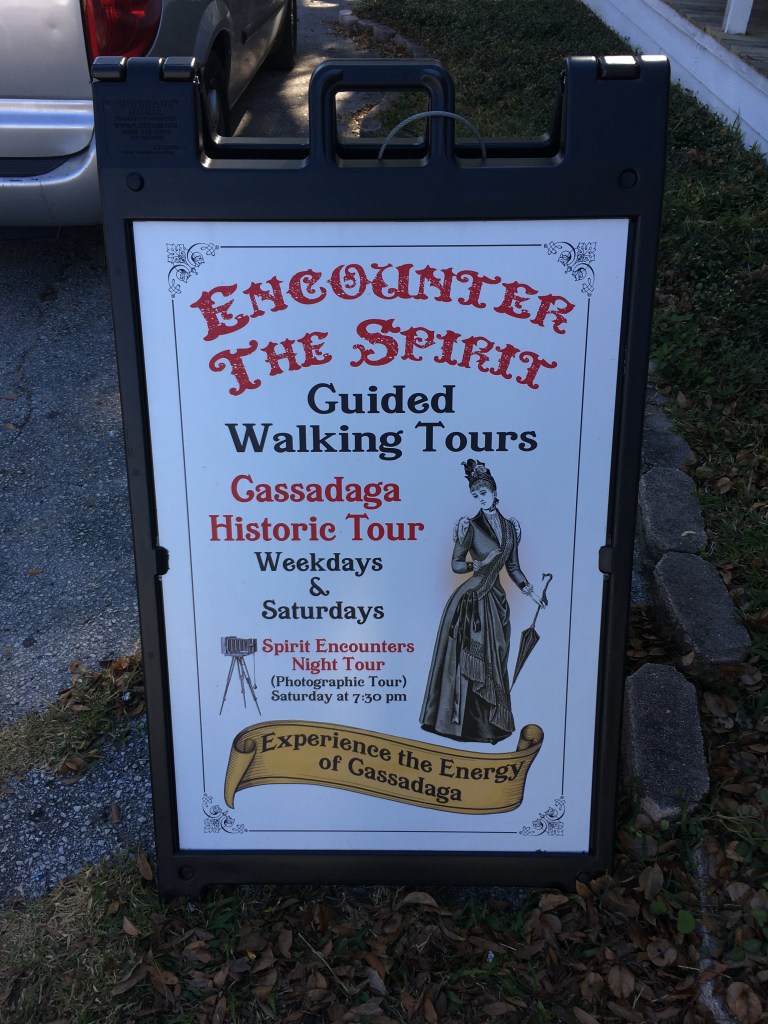
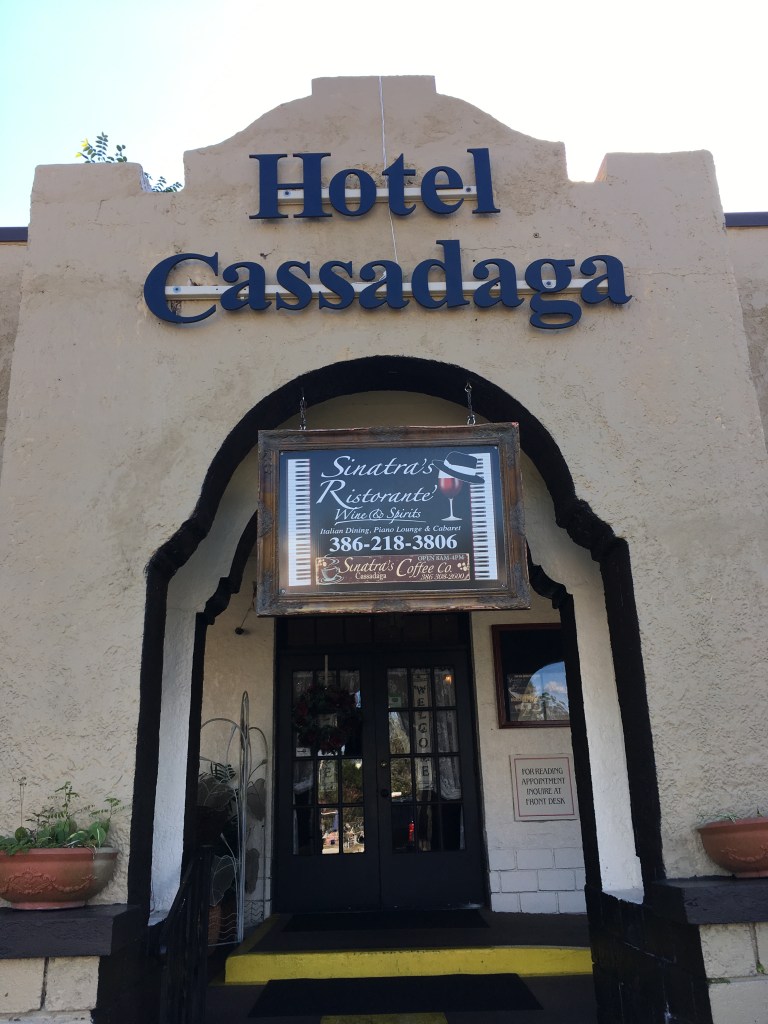
While people can get medium or psychic readings all over the country, and even on the phone, around 20,000 people continue to come back to Cassadaga year after year for in-person readings. Medium and psychic readings are not so different from therapy sessions, and people seem to come to both in search of the same thing: answers. It’s the same reason the first Spiritualists settled in New York, trying to make sense of a chaotic world.
Cassadaga is as relevant today as it was in the 1800s, especially with the rise in interest in the metaphysical, especially among millennials. In fact, in the age of political turmoil, this demographic has shifted away from “organized religion” towards witchcraft, astrology, and things once considered to be “too woo woo.” Crystals, tarot, and palo santo have hit the mainstream, making their way into Instagram stories and boutique stores, so are mediums that far off?
Medium visions are described as being like watching television without the sound, doing their best to interpret the images without any context. They may not even understand what they’re experiencing, but might see, hear, feel, taste, or smell something related to the spirit they’re communicating with. The medium mentions names and descriptions that might not make sense in the moment but can dawn on you later. Skepticism is a natural part of Spiritualism and communication with mediums and is encouraged.
And despite its belief in communication with the dead, Spiritualism and Christianity are not so far removed from one another. Spiritualists can believe in both God, referred to as Infinite Intelligence, and Jesus, or they can belong to any other faith. Church services include hymnals and healings, which are found in Christian churches as well, even though most churches don’t have their own seance rooms. Death is seen as a continuation of life into another dimension, not so unlike the concept of Heaven.
If you’re looking for a way to experience closure after the loss of a loved one or guidance in your future, is seeing a medium in a place like Cassadaga so different from sitting down with a therapist or praying to a sentient being or a long-dead man from Bethlehem?
 Caroline Eubanks